

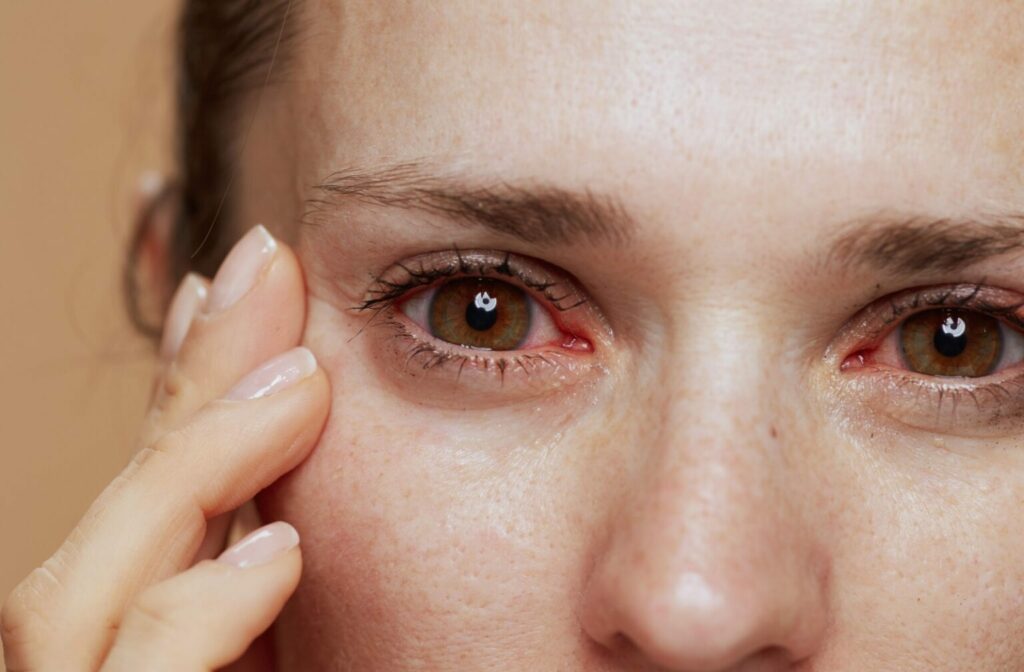
Do your eyes ever feel red, scratchy, irritated, or even painful? You might be dealing with a common condition known as dry eye. For some people, dry eye can be a minor inconvenience, but for others dry eye may significantly affect quality of life—causing discomfort, blurred vision, and, in severe cases, long-term damage.
What Is Dry Eye?
There are two types of dry eye. The most common is evaporative dry eye, which is when the coating on the top portion of the tear layer is inadequate. This causes the tears to evaporate too quickly off the eye’s surface. The second is aqueous-deficient dry eye, which occurs when eyes do not produce enough tears and the tear volume is reduced. Many people have mixed mechanism dry eye which is a combination of both types.
Treatment strategies for dry eye are aimed at restoring the natural tear film. Our tear film is a complex mixture of lipid-like oil, water (or aqueous), and mucin that lubricates and protects the eye’s surface.
Common Symptoms of Dry Eye
- Burning or stinging
- Redness
- Sandiness or grittiness
- Blurry vision (intermittent), especially when reading or using screens
- Excessive tearing
- Eye fatigue
What Causes Dry Eye?
Dry eye is a multifactorial condition with many different contributing factors. There are usually multiple reasons why dry eye develops. Increasing age can disrupt natural tear production over time. Hormonal changes also contribute to dry eye like menopause and pregnancy. Additionally, as our world becomes more digital, the time spent on screens has been shown to reduce blink rate contributing to dry eye. As we prepare for the winter season, the use of indoor heat and reduced moisture in the cold air can also cause disruption to the tear layer. Systemic health affects the tear film and tear production, as well. People with autoimmune and inflammatory conditions are more prone to suffer from dry eye. Common medications like antihistamines, antidepressants, blood pressure medications, and decongestants just to name a few, can contribute to dry eye. Other causes include previous eye surgeries, contact lens wear, eyelid disorders or other abnormalities, and smoking.
Managing and Treating Dry Eye
With so many different causes of dry eye, our treatment regimen often involves mutliple therapies to provide relief. Let’s break down some common dry eye treatments and how they help.
- Artificial Tears. Supplements and restores the tear film. Common brands include Refresh, Systane, Blink, Biotrue and more. Common dosing is using four times daily.
- Warm compress. Helps to open oil glands called meibomian glands which help to restore the protective, lipid coating on our tear film. Usually, 10-15 minutes of warm heat is recommended daily. A Bruder Mask is a good option for these.
- Prescription Eye Drops. Anti-inflammatory, medicated eye drops include Restasis and Xiidra.
- Prescription Nasal Spray. Tyrvaya helps to stimulate natural tear production.
- Punctal Plugs. Increase tear volume by reducing drainage of the tear layer.
- Environmental modifications. Humidifiers, wind protection (like face wrap sunglasses), sleeping masks, and reduced screen time (or frequent breaks every 20 minutes) can help protect tear volume
- Nutrition. Omega-3 rich foods or supplements support oil production and protect the tear film
In-Office Dry Eye Procedures
At Littleton Eye Care, we are fortunate to be able to offer patients more advanced dry eye treatments. These work to address the root cause of dry eye. See below for our in-office treatments
- Optilight Intense Pulsed Light (IPL). This treatment option uses different pulses of light to address inflammation and irregular blood vasculature that contributes to meibomian gland deficiency and evaporative dry eye.
- Optiplus Radiofrequency (RF) This treatment uses various electrical impulses to heat the skin around the eyes and unclog blocked oil in the meibomian glands.
Dry eye is more than just a nuisance, it’s a medical condition with many treatment options. If you are experiencing dry eye symptoms, it is not something to ignore. Schedule an appointment with us for a dry eye evaluation and personalized treatment plan. Relief is just around the corner!